By Samanta Ruiz
Fruit tea benefits (without the caffeine)
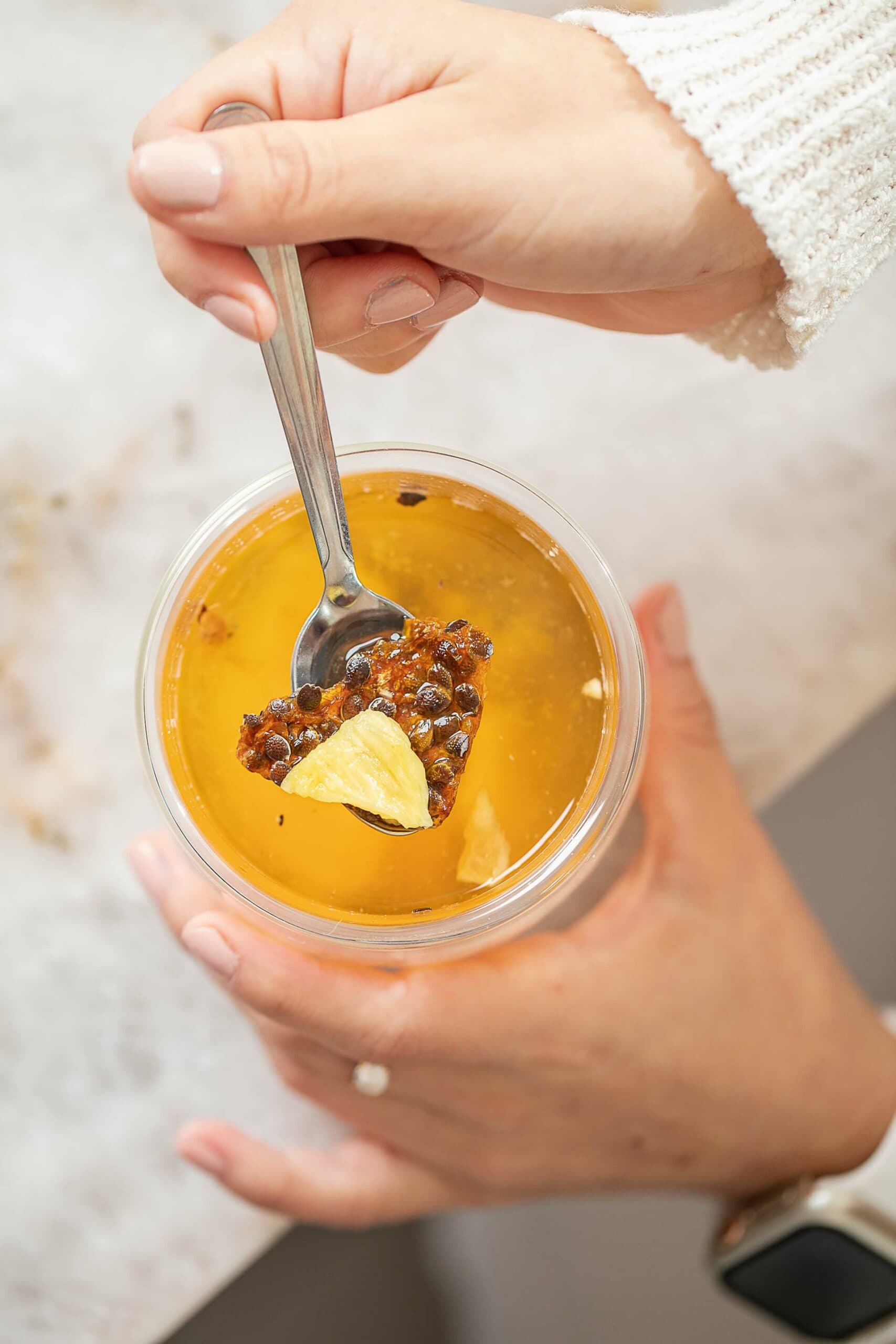
Most articles about "fruit tea" are really about tea leaves with fruit flavouring added. This one is not. Moosa Nature fruit tea contains no tea leaves at all: it is whole dried fruit that you steep in hot water, drink, and then eat. That single difference changes what you get out of the cup, so it is worth being precise about it.
What "fruit tea" means here
True tea, whether green, black, white or oolong, comes from one plant: Camellia sinensis. It naturally contains caffeine. A fruit infusion contains none of that plant. Ours is dehydrated fruit and flowers, nothing else: pineapple, orange, tamarillo, strawberry, blackberry, blueberry, passion fruit, ginger, hibiscus, depending on the blend.
So when you read that fruit tea has antioxidants, the antioxidants are coming from the fruit, not from tea leaves. And when you read that tea keeps you awake, that does not apply here at all.
Caffeine-free, every blend, all day
There is no caffeine in any Moosa blend, because there is no ingredient in them that contains caffeine. Nothing is decaffeinated, which matters: decaffeination is a process applied to tea leaves that already contain caffeine, and it rarely removes all of it. Here there is nothing to remove.
In practice that means you can drink it at four in the afternoon or at ten at night without doing the mental arithmetic about whether it will keep you up.
No added sugar, and nothing else added either
The ingredient list is the fruit. No added sugar, no sweeteners, no preservatives, no artificial flavouring, no colouring. The sweetness you taste is what the fruit brought with it, concentrated by drying.
That is the main practical difference against most flavoured drinks: a fruit-flavoured iced tea or a bottled juice drink usually gets its taste from added sugar or from a flavour compound. Here the taste has to come from the fruit itself, which is also why the blends taste different from each other.
You eat the fruit afterwards
This is the part people are surprised by, and it is the actual differentiator. When the fruit rehydrates in the cup it becomes edible again. Most of the fibre in a piece of fruit stays in the fruit, not in the water it was steeped in, so if you drink the infusion and throw the fruit away you are throwing away the substantial part.
Eat it straight from the cup with a spoon, or use it: over yoghurt, over oatmeal, folded into a dessert. One sachet gives you two servings of infusion plus the fruit.
How it compares to what you were drinking instead
If you are replacing soda, you are removing added sugar. If you are replacing juice, you are getting the fruit itself rather than only the liquid. If you are replacing an afternoon coffee, you are removing caffeine without moving to plain water. We put the four side by side here: fruit tea vs juice, coffee and soda.
How to brew it
- Hot: 195 to 212 degrees Fahrenheit, steep 5 to 10 minutes.
- Iced: brew it hot, let it cool, pour over ice.
- Cold brew: 6 to 12 hours in the fridge.
- Then eat the fruit.
Longer steeping gives a deeper cup rather than a bitter one, because there are no tannins from tea leaves to turn astringent. Full detail in our brewing guide.
Where to start
If you have not tried edible fruit tea before, the Variety Pack is the sensible first box: four blends, so you find the one you actually reach for. If you already know you like berries, Mixed Berries is the one Yahoo Health named Best Fruity Tea.
And if you want the longer explanation of the category itself, read what edible fruit tea is or the answers in our fruit tea FAQ.
One thing we will not tell you: that fruit tea burns fat, detoxes anything, or treats a condition. It is dried fruit in hot water. It is caffeine-free, it has no added sugar, it tastes good, and you can eat it. That is enough.
Keep reading

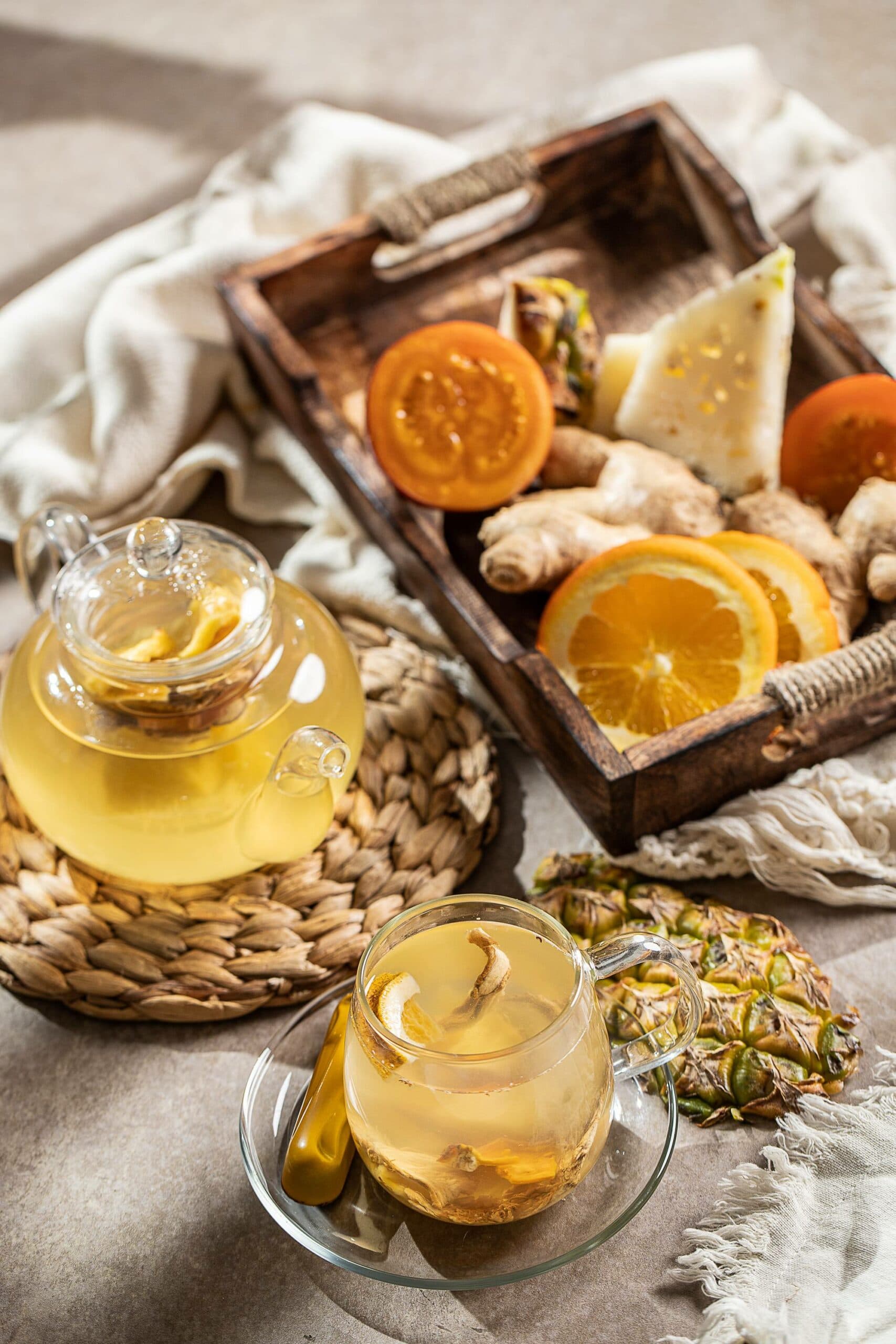

Discover the Perfect Fruit Tea for You
From bold tropical blends to soothing floral notes, each fruit tea is made with real fruit sourced from Ecuador and Colombia — steep it, drink it, and eat the fruit.
Shop All Fruit Teas